
Vedukkunari Malai: A Contested Site in Sri Lanka’s North
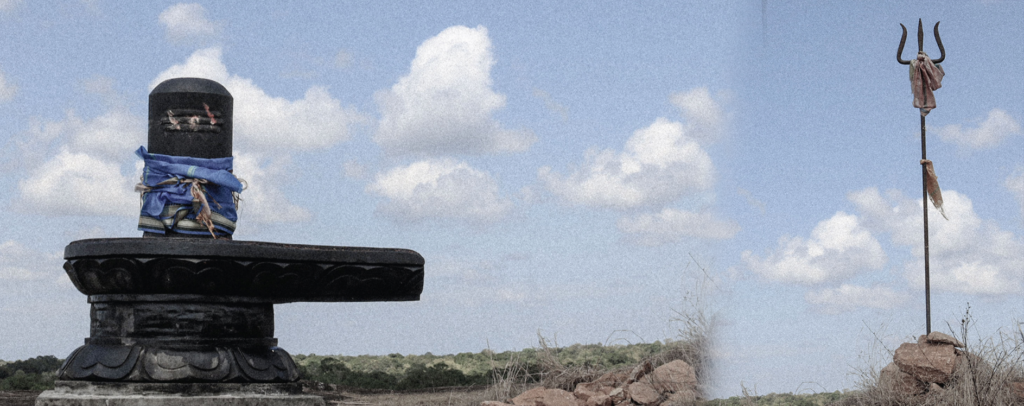
The dispute over Vedukkunari Malai in Vavuniya District exemplifies the broader pattern of land conflicts that have emerged in Sri Lanka’s Northern and Eastern provinces, fifteen years after the conclusion of the civil war.
The site, located in the Paalamotai Nainamadu Forest Reserve near Olumadu, has become the focal point of competing claims between Tamil worshippers who maintain it as the Vedukkunaari Aathi Lingeswarar Temple and Sri Lanka’s Department of Archaeology, which asserts the location constitutes an ancient Buddhist archaeological site known as Vaddamana Pabbathaya Vihara.
Historical Context
Buddhist clergy have entered lands belonging to minority religious communities and reclaimed them as sacred areas or Buddhist sites, according to research by the Centre for Policy Alternatives. This pattern, documented across multiple districts including Ampara, Jaffna and Mullaitivu, reflects what analysts describe as post-conflict mechanisms of state intervention that continue to create divisions.
The local Tamil community maintains that the temple has served as a place of worship for generations. The site contains cave structures with cut drip ledges characteristic of ancient monastic architecture, though the workmanship has been described as rough. Three Early Brahmi inscriptions dating from the third century BC to the first century AD were discovered in caves located approximately 100 yards north of the main hill, recording donations to the Buddhist monastic community.
The area remained largely inaccessible from the 1980s onwards due to the presence of LTTE cadres. Following the conclusion of armed conflict in 2009, the Department of Archaeology re-identified the site. Local communities subsequently established a place of worship there, installing Hindu religious symbols, including Shiva Lingas and tridents, over the ancient ruins.
Present Situation
In 2021, Buddhist monks, accompanied by Sri Lankan security forces, placed a Buddha statue at the temple premises, despite opposition from local residents. This action prompted widespread protest from the Tamil community in Vavuniya.
The Archaeological Department claimed the site as part of Sri Lanka’s ancient Buddhist heritage in 2023 and subsequently attempted to prevent Tamil worshippers from conducting Hindu rituals at the location. These restrictions led to a demonstration in front of the Vavuniya North Divisional Secretariat in August, with protesters questioning the Department’s intentions.
On Maha Shivaratri last year, when hundreds of devotees gathered at the Vedukkunaari Malai Aathilingeshwarar Temple for religious observances, the former temple president Sasikumar and former secretary Tamilchelvan were arrested and remanded. Their detention drew condemnation from Tamil politicians and rights organisations.
The temple’s name was erased from artwork at the shrine following what officials described as pressure from higher authorities. In September of this year, Sri Lanka’s Counter-Terrorism Investigation Division summoned both former temple leaders for questioning, raising concerns about what observers characterise as state intimidation of Tamil religious leadership.
The dispute fits within a broader post-war context where state agents, including the Department of Archaeology, the Mahaweli Authority and the Department of Forest Conservation, often enter lands that have belonged to communities for centuries, frequently without notice, to prevent access. Such interventions have sparked tensions between local communities and state authorities across the Northern and Eastern provinces.
Critics note that whilst the Department of Archaeology claims the site requires protection as national heritage, similar restrictions have not been applied to Buddhist construction within other contested archaeological sites. The selective application of archaeological preservation regulations has become a source of grievance amongst affected communities.
2025 – 2026 Developments
The situation continued to deteriorate through 2025. In February, Tamil worshippers condemned Sri Lankan authorities for restricting the annual Shivaratri observance to merely five hours, effectively transforming the traditional all-night vigil into a daytime ceremony. Ceremonies were forcibly concluded by 6 PM, with activist S. Thavapalan denouncing these restrictions as an infringement on Tamil religious rights and warning against complicity amongst community members.
In April 2025, the Tamil National People’s Front raised concerns about the broader context of land appropriation in the region. General Secretary Selvarajah Kajendran highlighted ongoing legal battles over Vedukkunari Hill whilst condemning the Lower Malwathu Oya project, which he described as facilitating state-sponsored Sinhala colonisation of Tamil lands in Vavuniya.
The international community has taken notice of the dispute. In June 2025, United Nations High Commissioner for Human Rights Volker Türk met with Tamil parliamentarians in Jaffna, assuring them that the Tamil issue would remain a priority at the UN Human Rights Council session. During the closed-door meeting, MPs specifically raised concerns about militarised land grabs, including Vedukkunari Hill, amongst other contested sites. Türk acknowledged these issues and emphasised the ongoing problem of land militarisation in Tamil areas.
In October 2025, the former temple president Sasikumar and former secretary Tamilchelvan were once again summoned for questioning by the Counter-Terrorism Investigation Division, raising renewed concerns over state intimidation of Tamil religious leaders. This marked the second time these individuals faced investigation, following their arrest and remand during Maha Shivaratri the previous year.
In January 2026, Dr P. Sathiyalingam, the MP for Vanni District, wrote to N. Vedhanayagan, the Governor of Northern Province, urging immediate intervention to release one acre of land and the access road associated with the Veddukkunaari Malai Adi Lingeswarar Temple. The temple trustees reported that their previous appeals through official channels had gone unanswered. The Vavuniya North Pradeshiya Sabha has expressed its readiness to reconstruct the access road, but it cannot proceed without a formal release of the land. As a result, devotees are currently forced to navigate unsafe routes to reach the temple. This appeal underscores the increasing concern over the ongoing restrictions on Hindu sites, which have persisted for years after the end of the armed conflict.
The Vedukkunari Malai case remains unresolved, with Tamil residents continuing to assert their right to worship at the site whilst state authorities maintain control over access and usage of the land.
References
https://www.cpalanka.org/the-intersectional-trends-of-land-conflicts-in-sri-lanka/
https://www.tamilguardian.com/content/former-vedukunari-malai-aathi-shivan-temple-leaders-summoned-ctid-questioning
https://www.tamilguardian.com/index.php/content/un-human-rights-commissioner-turk-assures-focus-tamil-issue-geneva
https://www.tamilguardian.com/index.php/content/sinhala-colonization-disguise-tnpf-condemns-lower-malwathu-oya-project
Last update – March 2026