
The Wasim Thajudeen Case: Thirteen Years of Unanswered Questions
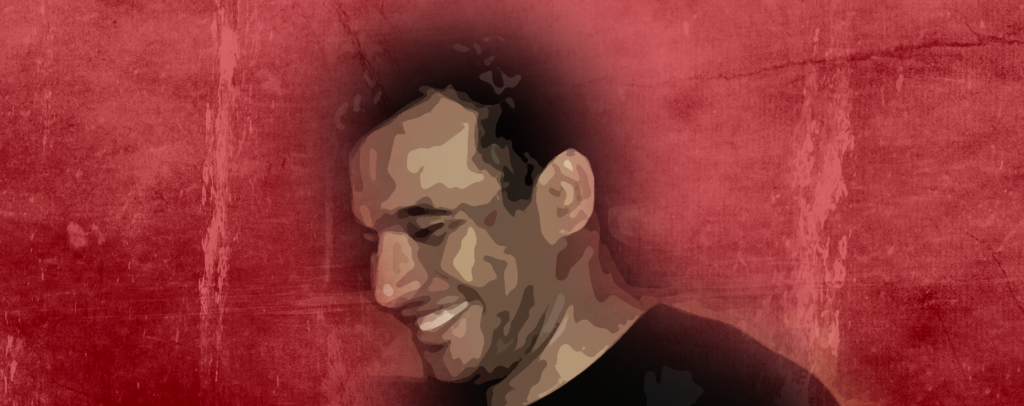
On the night of 17th May 2012, rugby player Wasim Thajudeen was found dead in his burning vehicle near Shalika Hall on Park Road, Colombo. He was 27 years old. The initial investigation concluded it was a traffic accident, a case of drunk driving gone tragically wrong. When his body was exhumed three years later, revealing pertinent information about his case, this narrative was questioned.
What followed has become one of Sri Lanka’s most complex and politically sensitive murder investigations, marked by evidence tampering, institutional cover-ups, and leads that point uncomfortably close to the country’s highest offices of power.
The first autopsy in 2013 suggested blunt force trauma and carbon monoxide poisoning. Police closed the case as an accident in July of that year. However, when the Criminal Investigation Department took over in 2015, they noticed something wrong: the medical reports didn’t match.
They exhumed the body in August 2015 and discovered that critical bones were missing, including the chest plate, windpipe, and two long bones. The new forensic report clearly stated that Thajudeen died from “multiple injuries to the lower limbs, neck, and chest caused by blunt weapons.”
The report also made another significant discovery. It revealed that the “deceased was not driving the vehicle at the time of the said accident. It is highly probable that the incapacitated person was kept on the passenger seat by another person.”
Thajudeen had been beaten, placed in his car, which was subsequently burnt, cementing this case as a murder staged as an accident.
The cover-up
As investigators dug deeper, the case began oscillating towards Sri Lanka’s political elite.
It was discovered that the Land Rover Defender used to abduct Thajudeen belonged to the Siriliya Saviya Foundation, headed by Shiranthi Rajapaksa, the wife of then-President Mahinda Rajapaksa. Phone records revealed multiple calls between the Presidential Secretariat and the Officer-in-Charge of Narahenpita Police Station on the night Thajudeen died.
In January 2018, Deputy Solicitor General Dilan Ratnayake shared evidence in court that revealed that a member of the Rajapaksa family had used two vehicles from the Presidential Secretariat (both driven by Sri Lanka Navy personnel) to travel to the vicinity of the crime scene. When investigators requested service records for these Navy officers to verify their movements that night, they were informed that the records were “unavailable.”
As the evidence began pointing towards some of the most powerful people in the country, the cover-up gained significant traction.
- Former police officer Sumith Champika Perera testified that he received orders from higher-ups to stop investigating.
- Then Magistrate Nishantha Peiris, who pushed the case forward, was suddenly transferred. This was only reversed after public outcry.
- The medical examiner who conducted the first autopsy, Professor Samarasekara, was indicted for falsifying the report. He died in July 2020 before the trial.
- Senior DIG Anura Senanayake was indicted for covering up evidence. He died in February 2021 before the trial.
- Navy service records vanished. Phone records were documented but never properly investigated. Critical evidence went missing.
In early 2025, the new government reopened the case. A politician arrested on drug charges allegedly provided information about the murder. This led to the identification of a suspect—”Middeniya Kajja”—from CCTV footage.
However, complications arose immediately. Kajja’s 16-year-old son publicly disputed his father’s identification, claiming the man in the footage wasn’t his father. This further confused an already difficult case.
What This Case Really Reveals
Strip away the legal jargon and procedural details, and the Thajudeen case exposes something fundamental about power and accountability in Sri Lanka.
Here’s what we know for certain: A young man was murdered. Forensic evidence proves he was beaten and his death staged as an accident. Phone records and vehicle logs connect the crime to the Presidential Secretariat and military personnel. Multiple officials have been caught falsifying evidence and obstructing justice.
And yet—no one has been convicted.
For Wasim Thajudeen’s family, thirteen years of waiting continue. The reopened investigation in 2025 offers a glimmer of hope. However, given the pattern of obstruction, disappearing evidence, and convenient deaths, can it really lead anywhere? Or will this be another chapter in a story where everyone knows what happened, but no one can—or will—do anything about it?
For those interested in exploring the case further, detailed reports and primary sources are linked below.
References
https://www.cpalanka.org/elusive-justice-and-emblematic-cases-in-sri-lanka/
https://srilankatwo.wordpress.com/2020/08/16/wasim-thajudeen-a-murder-with-no-murderer/
https://www.bbc.com/news/world-asia-33850551
Last updated – March 2026